29 Essential Ways to Lose Weight Naturally
Twenty-nine simple, sustainable tips covering food, movement, sleep, stress and habits to help you lose weight without crash diets.
Crash diets promise fast results, but most people regain what they lose. The approach that lasts is less exciting: a handful of small, repeatable habits that add up. These 29 ways to lose weight naturally cover what you eat, how you move, how you sleep and how you build routines, with no pills or extreme rules required.
You don't need all 29. Pick a few that feel doable, practice them until they're automatic, then come back for more.
The Best Ways to Lose Weight Naturally Start With the Basics
Every natural weight loss method works the same way: it helps you take in a little less energy than you burn, consistently, without feeling miserable. A safe pace for most adults is roughly 0.5 to 1 percent of body weight per week. Faster than that usually means losing muscle and burning out.
To know where you stand, it helps to estimate your daily calorie needs first. Our guide on how to calculate a calorie deficit walks you through it step by step.
Eating Habits That Make a Difference
What you eat has the biggest effect on the scale. These tips make a calorie deficit feel less like a diet.
- Eat protein at every meal. Protein is the most filling macronutrient and helps protect muscle. Eggs, yogurt, fish, chicken, beans and tofu all count.
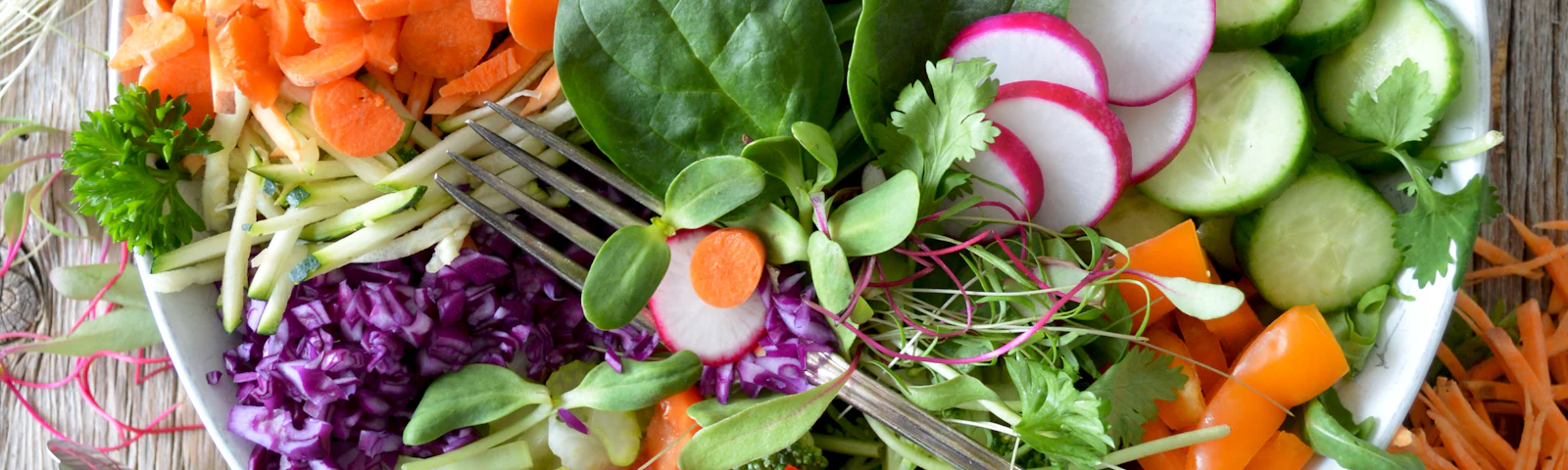
- Fill half your plate with vegetables. They add volume, fiber and nutrients for very few calories.
- Choose whole foods most of the time. Minimally processed foods tend to be more filling and harder to overeat than packaged snacks.
- Get more fiber. Beans, lentils, oats, berries and whole grains slow digestion and keep hunger steady.
- Drink water instead of sugary drinks. Soda, sweet tea and juice add calories without making you feel full. Not sure how much to drink? See how much water you should drink a day.
- Eat a filling breakfast. If you're a breakfast eater, a protein-rich start can curb mid-morning snacking. Here are some healthy breakfast foods for weight loss to try.
- Use smaller plates and bowls. Portions look bigger, and you serve yourself less without thinking about it.
- Eat slowly. It takes time for fullness signals to reach your brain. Put your fork down between bites.
- Cook at home more often. Restaurant portions are usually larger and richer than what you'd make yourself.
- Keep treats, but plan them. Banning favorite foods often leads to binges. Enjoy a planned portion and move on.
- Watch liquid calories. Alcohol, fancy coffees and smoothies can add hundreds of calories a day without much fullness.
Move More Throughout the Day
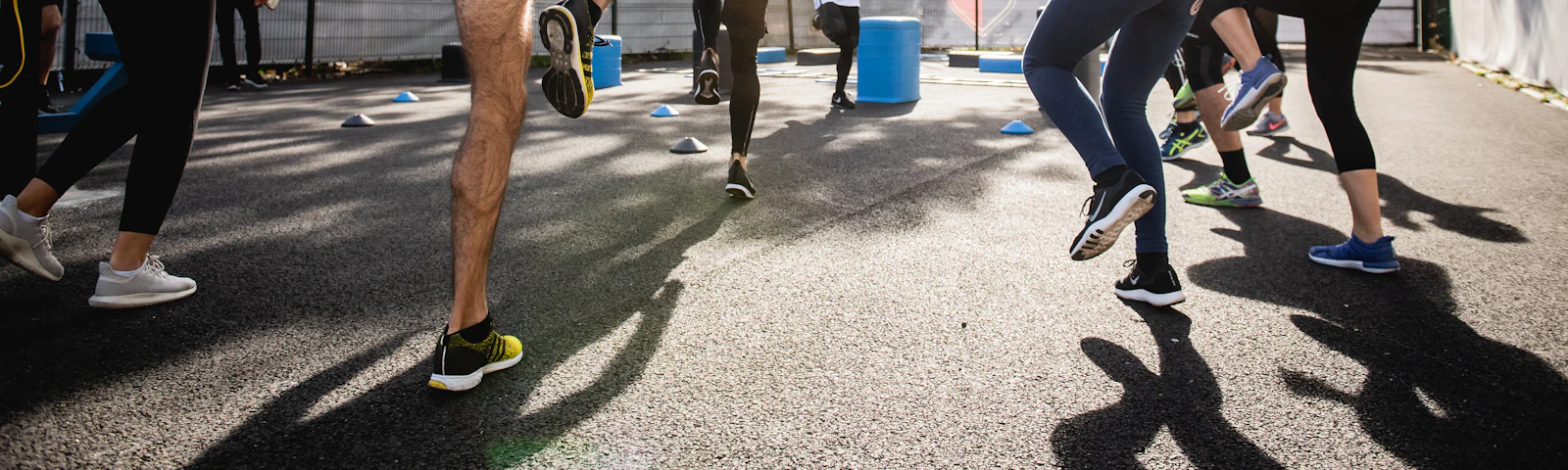
Exercise burns calories, but its bigger benefits are protecting muscle, improving health and making long-term maintenance easier. The CDC recommends at least 150 minutes of moderate activity a week plus two days of muscle-strengthening work.
- Walk every day. Walking is low-impact, free and easy to recover from. Our walking for weight loss plan shows how to build up.
- Lift weights or do bodyweight training. Strength training helps you keep muscle while you lose fat. Start with our beginner strength training guide.
- Add short bursts of intensity. Intervals can be time-efficient, though steady cardio works well too. Pick what you enjoy.
- Increase your daily steps. Taking the stairs, parking farther away and pacing on calls all add up.
- Break up long sitting sessions. Stand up and move for a couple of minutes every hour.
- Find an activity you like. Dancing, cycling, hiking or swimming: the best exercise is the one you'll keep doing.
- Take a walk after meals. A 10- to 15-minute stroll after eating is an easy habit to stack onto your day.
Sleep and Stress: The Overlooked Factors
Poor sleep and chronic stress can make you hungrier, increase cravings and sap the energy you need to make good choices.
- Aim for 7 or more hours of sleep. Adults generally need at least seven hours a night. Short sleep is linked to increased appetite.
- Keep a consistent sleep schedule. Going to bed and waking at the same times, even on weekends, improves sleep quality.
- Limit screens before bed. Dim lights and put the phone away 30 to 60 minutes before sleep.
- Manage stress with something active. A walk, stretching, breathing exercises or journaling can replace stress snacking.
- Notice emotional eating. Before you reach for a snack, ask whether you're hungry or bored, tired or stressed.
Build Habits That Stick
Motivation fades. Systems and routines are what carry you through busy weeks and holidays.
- Track your food for a week or two. Logging meals, even briefly, reveals hidden calories and portion creep.
- Plan meals ahead. Decide what you'll eat for the week and shop with a list.
- Keep healthy foods visible. Put fruit on the counter and store treats out of sight.
- Weigh yourself consistently. Weekly averages show trends better than single readings, which bounce around with water.
- Set process goals, not just outcome goals. "Walk 30 minutes, five days a week" is more useful than "lose 20 pounds."
- Be patient and expect plateaus. Progress is rarely a straight line. Stay consistent and adjust slowly.
How to Put These Tips Into Practice
Trying all of these ways to lose weight naturally at once is a recipe for burnout. Instead, use a simple rollout:
| Week | Focus | Example habits |
|---|---|---|
| 1-2 | Eating basics | Protein at every meal, swap one sugary drink for water |
| 3-4 | Movement | Daily walk, add two short strength sessions |
| 5-6 | Sleep and stress | Set a bedtime, short walk when stressed |
| 7-8 | Habits | Weekly meal plan, weekly weigh-in average |
Once a habit feels automatic, it stops requiring willpower, and that's when real change happens.
When to Get Extra Help
If you've been consistent for a few months without progress, or you have a medical condition such as diabetes, thyroid disease or PCOS, talk to your doctor or a registered dietitian. Some medications also affect appetite and weight. A professional can help you rule out underlying issues and tailor a plan to you. The CDC's guidance on losing weight is a good, plain-language starting point.
The most effective ways to lose weight naturally are the ones you can keep doing for years, not weeks. Start small, stay patient, and let consistency do the heavy lifting. Use the calculator below to find a sensible daily calorie target to anchor your plan.
Free interactive toolCalorie CalculatorEstimate your TDEE and daily calories to lose, maintain or gain.OpenFrequently asked questions
What is the fastest natural way to lose weight?
There is no safe shortcut. A moderate calorie deficit, plenty of protein and vegetables, regular movement and good sleep produce steady results that tend to last. Most people do well losing about 0.5 to 1 percent of their body weight per week.
Can I lose weight without exercise?
Yes, because weight loss is driven mostly by eating fewer calories than you burn. Exercise still helps you keep muscle, improves health and makes maintenance easier, so it is worth adding even in small amounts.
How many of these tips should I start with?
Start with two or three that feel easy, such as adding protein to breakfast and walking after dinner. Once they become automatic, add another. Trying to change everything at once usually backfires.
Why have I stopped losing weight?
Plateaus are normal. As you lose weight your body needs fewer calories, and small portions can creep up without you noticing. Recheck your intake, track for a week, and consider adding steps or strength training before cutting calories further.
Disclaimer: This article is for general information only and isn't a substitute for advice from your doctor, dermatologist, podiatrist or a registered dietitian. Check with a professional before starting a new diet, supplement, skin treatment or exercise program, especially if you have a health condition.
Keep reading
More Weight Loss
Walking for Weight Loss: A Simple Plan That Works
A beginner-friendly 4-week walking plan, step targets, and easy ways to burn more with hills and intervals, plus form and shoe tips.
How to Calculate a Calorie Deficit (Step by Step)
Find your BMR and TDEE, choose a safe deficit and work through a real example so you know exactly how many calories to eat to lose weight.
Vegan Diet for Weight Loss: Tips That Actually Work
Practical tips for losing weight on a plant-based diet, including the best vegan protein sources, a sample day of eating and common mistakes.