Top 7 Daily Skincare Routine Steps for Glowing Skin
Seven simple steps for a daily skincare routine that leaves skin healthy and glowing, plus product order, AM vs. PM differences, and skin-type tweaks.
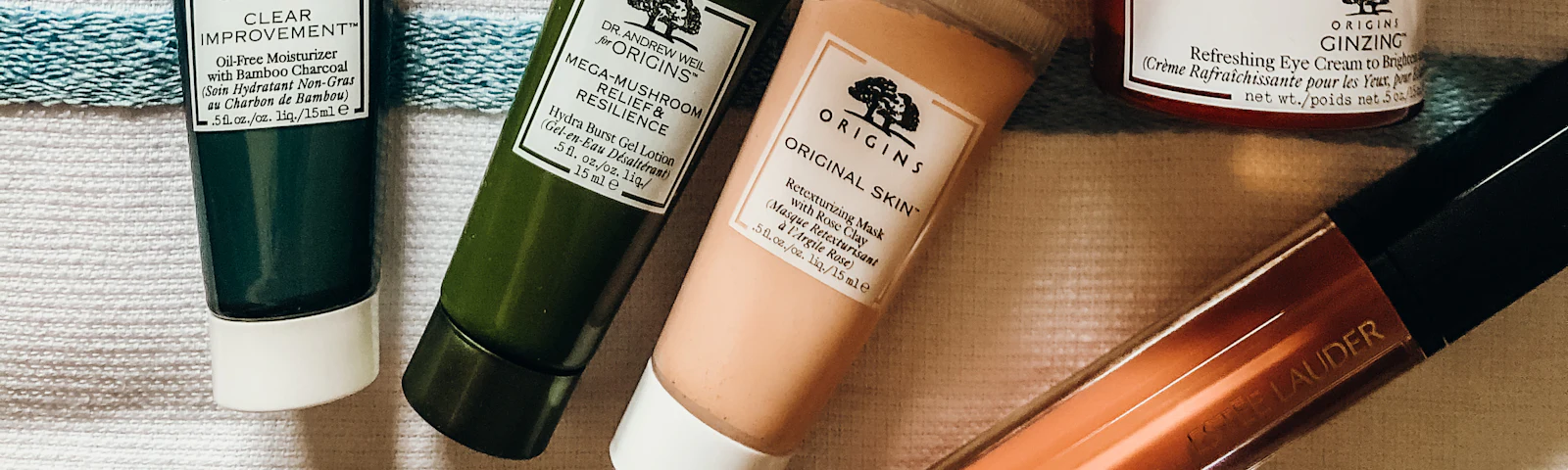
Glowing skin is less about luck and more about consistency. A good daily skincare routine does not have to involve ten products or a huge budget. It comes down to a handful of steps done in the right order, morning and night, with products that suit your skin. Below you will find the seven core steps, a clear morning vs. evening comparison, advice for each skin type, and why sunscreen is the step you should never skip.
The 7 Steps of a Daily Skincare Routine
Not everyone needs every step, but these seven form a complete, flexible routine. If you are just starting, focus on steps 1, 6, and 7.
- Cleanse. Wash with a gentle, non-stripping cleanser and lukewarm water. Hot water and harsh scrubs can damage your skin barrier. Use a gentle cleanser twice a day and after heavy sweating.
- Tone (optional). A modern toner is a light, hydrating liquid that preps skin for what follows. Skip alcohol-heavy formulas that leave skin tight.
- Apply a serum. Serums deliver concentrated ingredients. Popular picks include vitamin C for brightness, niacinamide for oil control and redness, and hyaluronic acid for hydration.
- Use eye cream (optional). A regular moisturizer works around the eyes for many people, but some prefer a richer, fragrance-free eye cream.
- Treat (usually at night). Targeted treatments like retinoids, acne spot treatments, or exfoliating acids go here. Introduce one at a time.
- Moisturize. Even oily skin needs moisture. A good moisturizer supports your skin barrier and locks in the layers underneath.
- Protect with sunscreen (morning). Finish every morning routine with a broad-spectrum sunscreen of SPF 30 or higher.
Morning vs. Evening Routine
Your skin has different needs at different times of day. In the morning, you are getting ready to face sunlight, pollution, and makeup. At night, your skin is focused on repair, which makes it the ideal time for active treatments.
| Step | Morning (AM) | Evening (PM) |
|---|---|---|
| Cleanser | Gentle cleanser or just a water rinse for dry skin | Thorough cleanse; double cleanse if wearing makeup or sunscreen |
| Toner | Hydrating toner (optional) | Hydrating or mildly exfoliating toner (optional) |
| Serum | Antioxidant serum such as vitamin C | Hydrating or repairing serum, such as niacinamide or peptides |
| Treatment | Usually none | Retinoid or exfoliating acid, a few nights a week to start |
| Moisturizer | Lightweight lotion or gel | Richer cream if your skin is dry |
| Sunscreen | Broad-spectrum SPF 30+, always | Not needed |
Product Order: Thinnest to Thickest
The order of your daily skincare routine matters because each layer affects how well the next one absorbs. The basic rule is to start with the thinnest, most watery products and finish with the thickest.
- Watery first: Toners and essences go on clean skin.
- Serums next: These are designed to absorb before heavier layers.
- Treatments: Prescription or active products typically go on clean, dry skin, unless your dermatologist advises otherwise.
- Creams and oils: Moisturizer comes after serums; facial oils go on top of moisturizer since oils seal everything in.
- Sunscreen last: In the morning, sunscreen is the final skincare step, followed by makeup if you wear it.
Adjusting Your Routine for Your Skin Type
The same seven steps apply to everyone, but the products you choose should match your skin.
Oily skin
Pick a foaming or gel cleanser, a lightweight gel moisturizer, and an oil-free sunscreen. Niacinamide and salicylic acid can help with oil and clogged pores. If blackheads are a concern, our article on dealing with blackheads covers options, and so does our look at charcoal for skin.
Dry skin
Use a cream or milky cleanser and a rich moisturizer with ingredients such as ceramides, glycerin, or shea butter. Apply moisturizer to slightly damp skin to help lock in water. Go easy on exfoliating acids.
Combination skin
Use a gentle cleanser and a medium-weight moisturizer overall, then add a lighter gel on oilier areas or a richer cream on dry patches. It is fine to use different products on different zones.
Sensitive skin
Keep your routine short. Choose fragrance-free, minimal-ingredient products and patch test anything new on your jawline for a few days. Mineral sunscreens with zinc oxide or titanium dioxide are often better tolerated.
Acne-prone skin
Look for products labeled non-comedogenic. Benzoyl peroxide, salicylic acid, and adapalene are well-established over-the-counter options. If your acne is painful, leaving scars, or not improving after a couple of months, see a dermatologist.
Why Sunscreen Is the Most Important Step
If your daily skincare routine has only one non-negotiable, it should be sunscreen. Ultraviolet light is a leading cause of premature skin aging, including wrinkles, dark spots, and loss of firmness, and it raises the risk of skin cancer.
The American Academy of Dermatology recommends a broad-spectrum, water-resistant sunscreen with SPF 30 or higher. You can read their guidance on how to select a sunscreen.
- Use about a nickel-sized amount for your face, and do not forget your ears and neck
- Apply it every morning, even on cloudy days
- Reapply at least every two hours outdoors, and after swimming or sweating
- Pair it with a hat, sunglasses, and shade during peak midday sun
Habits That Boost Your Glow
Skincare products work best alongside healthy habits. A few that make a visible difference:
- Sleep: Seven or more hours a night helps reduce dullness and puffiness.
- Hydration: Drinking enough fluids keeps your whole body, including your skin, functioning well.
- Diet: Colorful produce, healthy fats, and enough protein give skin the nutrients it needs.
- Clean tools: Wash pillowcases, makeup brushes, and phone screens regularly.
- Hands off: Picking at spots can lead to marks that last far longer than the blemish itself.
For more ideas, see our glow-up tips that actually work and our guide to natural ingredients for healthy skin.
Keep It Simple and Consistent
The best routine is the one you will actually follow. Start with a cleanser, a moisturizer, and sunscreen. Once those are a habit, add one serum or treatment at a time and give each product several weeks before judging it. Stick with your daily skincare routine, protect your skin from the sun, and the glow will follow. If you have persistent concerns such as severe acne, rashes, or a changing mole, book a visit with a dermatologist.
Frequently asked questions
What is the correct order to apply skincare products?
A simple rule is thinnest to thickest: cleanser, toner, serum, eye cream, moisturizer, and then sunscreen in the morning. At night, skip sunscreen and apply any treatment like a retinoid before moisturizer.
Do I need sunscreen if I stay indoors?
It is still a good idea if you sit near windows, since UVA rays pass through glass. If you are truly indoors away from windows all day, sunscreen matters less, but making it a daily habit is easier to keep.
How long before a new skincare routine shows results?
Give a new routine at least four to six weeks. Some treatments, like retinoids, can take three months or more to show their full effect.
Can I use retinol and vitamin C together?
Many people use vitamin C in the morning and retinol at night to reduce irritation and make the most of each. If your skin is sensitive, introduce them one at a time.
Disclaimer: This article is for general information only and isn't a substitute for advice from your doctor, dermatologist, podiatrist or a registered dietitian. Check with a professional before starting a new diet, supplement, skin treatment or exercise program, especially if you have a health condition.
Keep reading
More Skin Care
Benefits of Beet Juice for Skin: Secret to Radiant Skin
What beet juice can and can't do for your complexion, from the nutrients inside to a simple DIY mask, a fresh juice recipe, and side effects to know about.

How to Get Rid of Wrinkles Under Eyes: A Comprehensive Guide
Why fine lines form under your eyes, which ingredients are worth using, the habits that help, and a quick look at professional treatments.
Say Goodbye to Blackheads with the Ultimate Blackhead Vacuum
How pore vacuums work, a safe step-by-step method, the right suction level, who should skip them, and how they compare to pore strips and salicylic acid.