Natural Ingredients for Healthy Skin: A Comprehensive Guide
Which plant-based skincare ingredients are worth using, what each one does, and the natural options that can irritate skin more than you'd expect.
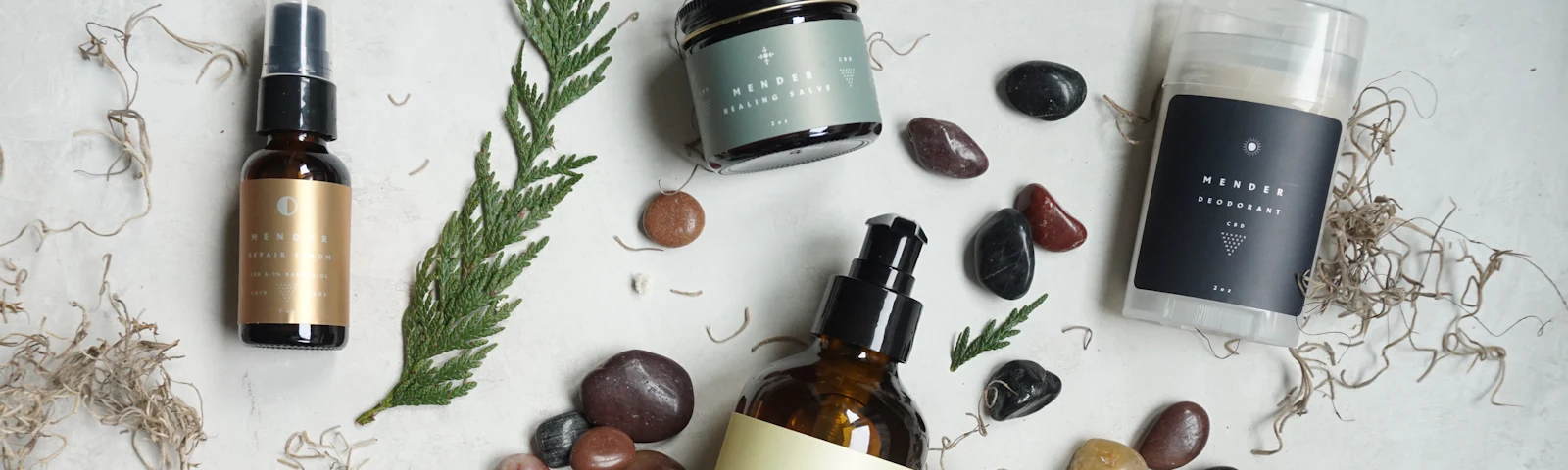
Walk down any skincare aisle and you will see "natural," "clean," and "plant-powered" on nearly every label. Some natural ingredients for healthy skin really do have a solid track record, from soothing oatmeal to antioxidant-rich green tea. Others are overhyped, and a few can irritate or even burn your skin.
This guide breaks down the plant-based ingredients worth knowing, what each one can realistically do, and the important reminder that natural does not always mean gentle.
What "Natural" Really Means in Skincare
There is no strict legal definition of "natural" for cosmetics in the United States. A product labeled natural may contain a single plant extract alongside many lab-made ingredients, or it may be mostly botanical. Neither is automatically better.
What matters is the specific ingredient, how much of it is in the product, how it is formulated, and how your skin responds. A well-formulated product with a few plant extracts can be wonderful. A homemade mix of kitchen ingredients can sometimes cause more problems than it solves.
Natural Ingredients for Healthy Skin at a Glance
| Ingredient | Main benefit | Best for | Watch out for |
|---|---|---|---|
| Aloe vera | Soothes and lightly hydrates | Irritated, sun-exposed, or oily skin | Allergy in some people; use inner gel only |
| Honey | Humectant, mild soothing properties | Dry or dull skin, DIY masks | Avoid if allergic to bee products |
| Green tea extract | Antioxidant, calming | Most skin types, redness-prone skin | Rarely irritating |
| Colloidal oatmeal | Calms itch, supports the skin barrier | Dry, sensitive, or eczema-prone skin | Oat allergy (uncommon) |
| Rosehip oil | Moisturizes, contains fatty acids | Dry or normal skin | Can feel heavy on oily skin |
| Shea butter | Rich emollient that seals in moisture | Very dry skin, body, hands | May clog pores on acne-prone faces |
| Squalane | Lightweight moisture | Most skin types | Generally well tolerated |
| Niacinamide (vitamin B3) | Supports barrier, evens tone, reduces oiliness | Most skin types | Usually lab-made; "natural" claims can be misleading |
A Closer Look at the Standouts
Aloe vera
Aloe gel is cooling and lightly hydrating, which is why it is a classic after-sun soother. Look for products with aloe high on the ingredient list, or use the clear inner gel from the plant, avoiding the yellowish latex near the skin of the leaf.
Honey
Honey is a natural humectant, meaning it draws moisture into the skin. It makes a simple, gentle mask on its own or mixed with yogurt. Raw honey is sticky, so rinse with lukewarm water.
Green tea
Green tea contains polyphenols that act as antioxidants. In serums and moisturizers, it may help calm redness and defend against environmental stress.
Colloidal oatmeal
Finely ground oatmeal suspended in liquid is one of the most trusted soothing ingredients for itchy, dry skin. You will find it in many lotions and bath soaks made for sensitive skin.
Rosehip oil
Rosehip seed oil is rich in fatty acids that help soften dry skin. A few drops pressed onto damp skin at night is enough. Store it away from heat and light, since plant oils can go rancid.
Niacinamide: a caveat
Niacinamide is a form of vitamin B3, which is found in foods like fish, poultry, and grains. However, the niacinamide in skincare is almost always produced in a lab for purity and consistency. That is perfectly fine. It is one of the most versatile, well-tolerated ingredients available. Just be aware that a "natural niacinamide" label is more marketing than meaningful.
Natural Isn't Always Gentle
Some of the most common skin reactions come from natural ingredients. Here are the ones to approach with caution.
Essential oils
Lavender, tea tree, peppermint, citrus, and other essential oils are highly concentrated and are a frequent cause of allergic contact dermatitis. Never apply them undiluted. If you have sensitive skin, rosacea, or eczema, you may be better off avoiding fragranced and essential-oil-heavy products altogether.
Lemon and lime juice
Citrus juice is very acidic and can sting and irritate. Even more concerning, citrus compounds can cause a reaction called phytophotodermatitis when skin is exposed to sunlight, leading to burns, blisters, or dark patches. Keep lemon in the kitchen.
Baking soda
Baking soda is highly alkaline compared to your skin's naturally slightly acidic surface. Using it as a scrub or mask can disrupt your skin barrier and cause dryness and irritation.
Apple cider vinegar
Undiluted vinegar can cause chemical burns. It may have uses in the kitchen, like the ideas in our guide to apple cider vinegar for weight loss, but it does not belong on your face full strength.
Coconut oil on the face
Coconut oil is a great body moisturizer for some people, but it is known to clog pores. If you break out easily, keep it off your face.
How to Patch Test Any New Ingredient
- Pick a test spot. Use your inner forearm or the skin behind your ear.
- Apply a small amount. Use the product as you would normally, whether it is a cream, oil, or DIY mask.
- Wait. Leave-on products should be tested for several days in a row. Rinse-off masks can be tested once and checked over 24 to 48 hours.
- Check your skin. Look for redness, itching, burning, bumps, or swelling.
- Decide. No reaction? Try it on a small area of your face before using it everywhere.
Building a Simple Natural-Leaning Routine
You do not need a dozen products. A basic routine might look like this:
- Cleanse: A gentle, fragrance-free cleanser.
- Treat: A serum with green tea or niacinamide.
- Moisturize: A cream with colloidal oatmeal, squalane, or shea butter, depending on your skin type.
- Protect: A broad-spectrum sunscreen with SPF 30 or higher every morning. Mineral sunscreens with zinc oxide or titanium dioxide may appeal if you prefer simpler formulas.
For a step-by-step plan, see our daily skincare routine for glowing skin. If you like food-based ideas, you might also enjoy reading about the benefits of coconut water for skin and beet juice for skin.
When to See a Dermatologist
Natural ingredients can support healthy skin, but they are not treatments for medical conditions. See a board-certified dermatologist if you have persistent acne, eczema, psoriasis, rosacea, unexplained rashes, or any spot that changes, bleeds, or does not heal. The American Academy of Dermatology also offers guidance on testing new products safely.
The best natural ingredients for healthy skin are the ones your skin tolerates well and you will actually use consistently. Choose wisely, patch test, and never skip the sunscreen.
Frequently asked questions
Are natural skincare ingredients safer than synthetic ones?
Not automatically. Some natural ingredients, like essential oils and citrus, are common irritants, while many lab-made ingredients are very gentle. Safety depends on the specific ingredient, its concentration, and your skin.
Can I use aloe vera straight from the plant?
Many people do, but fresh aloe contains latex near the outer leaf that can irritate skin. Use the clear inner gel only, patch test first, and stop if you notice redness or itching.
Is coconut oil good for the face?
Coconut oil can feel moisturizing on dry body skin, but it is known to clog pores for some people. If you are acne-prone, try a lighter oil like squalane or skip oils on your face.
Do natural ingredients replace sunscreen?
No. Plant oils and extracts do not provide reliable sun protection. Use a broad-spectrum sunscreen with SPF 30 or higher every day.
Disclaimer: This article is for general information only and isn't a substitute for advice from your doctor, dermatologist, podiatrist or a registered dietitian. Check with a professional before starting a new diet, supplement, skin treatment or exercise program, especially if you have a health condition.
Keep reading
More Skin Care
Benefits of Beet Juice for Skin: Secret to Radiant Skin
What beet juice can and can't do for your complexion, from the nutrients inside to a simple DIY mask, a fresh juice recipe, and side effects to know about.
How to Get Rid of Wrinkles Under Eyes: A Comprehensive Guide
Why fine lines form under your eyes, which ingredients are worth using, the habits that help, and a quick look at professional treatments.

Say Goodbye to Blackheads with the Ultimate Blackhead Vacuum
How pore vacuums work, a safe step-by-step method, the right suction level, who should skip them, and how they compare to pore strips and salicylic acid.