Benefits of Beet Juice for Skin: Secret to Radiant Skin
What beet juice can and can't do for your complexion, from the nutrients inside to a simple DIY mask, a fresh juice recipe, and side effects to know about.
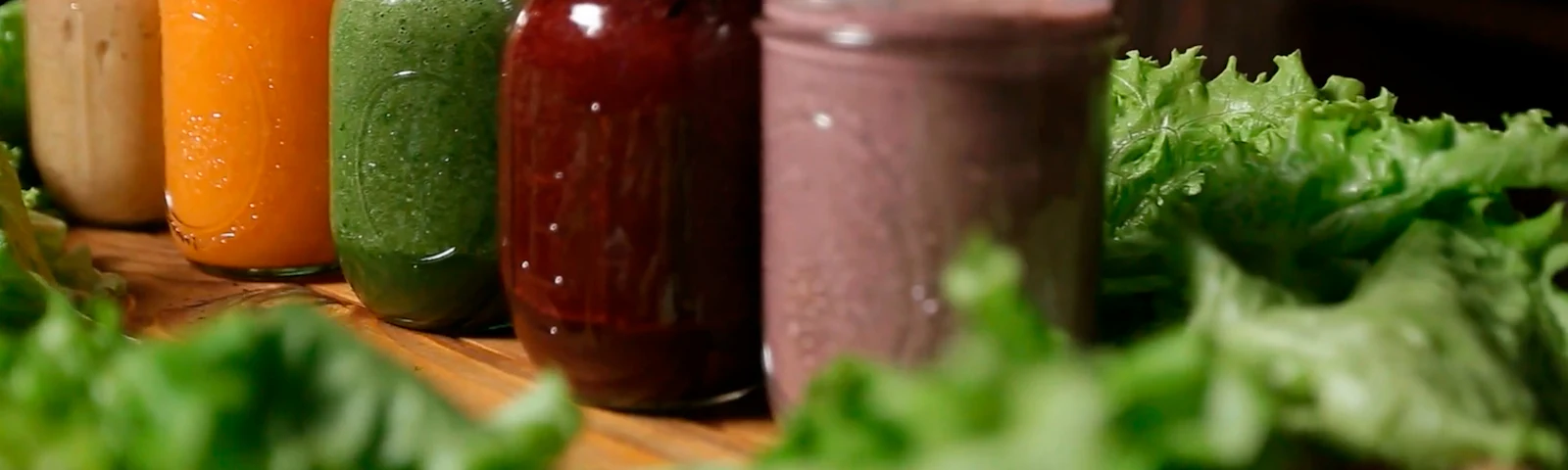
Beets have a reputation as a "glow food," and you have probably seen bright magenta juices promising clearer, brighter skin. So what does beet juice for skin actually do? The honest answer: it is a nutrient-dense drink that can support your skin as part of a healthy diet, and it makes a fun, gentle DIY mask ingredient. It is not a miracle cure, and it will not replace sunscreen or a solid routine.
This guide walks you through the nutrients in beets, the difference between drinking and applying beet juice, a simple mask and juice recipe, and the side effects worth knowing before you start.
What's Inside Beets That Matters for Skin
Beets are humble root vegetables, but they pack a useful mix of nutrients. None of these work like a skincare product on their own, yet they all play a role in how your body builds and protects skin.
Vitamin C
Your body needs vitamin C to make collagen, the protein that keeps skin firm. Beets offer a modest amount, so think of them as one contributor alongside citrus, berries, and peppers.
Betalains
Betalains are the pigments that give beets their deep red color. They act as antioxidants, which means they help neutralize free radicals, the unstable molecules produced by sun exposure, pollution, and normal metabolism.
Folate and potassium
Folate supports healthy cell division and repair, and potassium helps your body manage fluid balance. Both are part of the general nutrition your skin relies on.
Dietary nitrates
Beets are rich in nitrates, which your body converts to nitric oxide, a compound that helps relax blood vessels. This is why beet juice is popular with athletes. Whether it noticeably changes your complexion is not well established, so treat any "glow" claims with healthy skepticism.
Drinking vs. Applying Beet Juice for Skin
It helps to separate the two ways people use beets, because the expectations are very different.
| Method | What it can do | What it can't do |
|---|---|---|
| Drinking | Adds antioxidants, vitamins, and fluids to your diet | Erase wrinkles, cure acne, or replace sunscreen |
| Topical mask | Feels refreshing, gives a temporary rosy tint, mild hydration when mixed with yogurt or honey | Deliver lasting brightening or treat hyperpigmentation |
Drinking is where beets earn their keep. A varied diet with plenty of colorful produce, enough protein, and adequate water gives your skin the raw materials it needs. Beet juice can be one enjoyable part of that, especially if it helps you eat more vegetables.
Applying beet juice is more of a pampering ritual. It is gentle for most people, but the benefits are short-lived. If you have specific concerns like melasma, dark spots, or acne, proven ingredients such as sunscreen, retinoids, and azelaic acid will do far more.
DIY Beet Juice Face Mask
This simple mask pairs beet juice with plain yogurt and honey for a soothing, hydrating treat. It is best for normal to dry skin.
What you'll need
- 1 teaspoon fresh beet juice
- 1 tablespoon plain, unsweetened yogurt
- 1/2 teaspoon raw honey
- A clean bowl and spoon
How to make and apply it
- Patch test first. Dab a small amount on your inner forearm or behind your ear. Wait 24 hours and check for redness, itching, or burning.
- Mix. Stir the beet juice, yogurt, and honey until smooth.
- Cleanse. Wash your face with a gentle cleanser and pat dry.
- Apply. Spread a thin layer over your face, avoiding your eyes and lips.
- Wait 10 minutes. Keep it short to limit staining.
- Rinse and moisturize. Rinse with lukewarm water, then follow with your usual moisturizer. In the morning, finish with sunscreen.
Once or twice a week is plenty. Pair it with a consistent daily skincare routine for glowing skin rather than relying on the mask alone.
Simple Beet Juice Recipe
Straight beet juice is earthy and intense. Blending it with fruit and greens makes it far more drinkable.
Ingredients (makes about 2 small glasses)
- 1 medium beet, scrubbed and chopped
- 1 apple, cored
- 1 carrot
- 1/2 lemon, peeled
- A small knob of fresh ginger
- A handful of spinach (optional)
Directions
Run everything through a juicer, or blend with a splash of water and strain through a fine mesh sieve. Drink it fresh or refrigerate for up to a day. If you blend without straining, you keep the fiber, which makes it more filling and gentler on blood sugar.
If you enjoy experimenting with skin-friendly drinks, you may also like our guide to the benefits of coconut water for skin.
Side Effects and Who Should Be Careful
Beets are safe for most people in normal food amounts, but a few things are worth knowing.
Beeturia
Pink or red urine or stools after eating beets is called beeturia. It is usually harmless and simply means the pigment passed through. If you notice red urine without having eaten beets, call your doctor.
Oxalates and kidney stones
Beets, and especially beet greens, are high in oxalates. If you have had calcium oxalate kidney stones, talk with your doctor before drinking beet juice regularly.
Blood pressure
Because nitrates can lower blood pressure, people who already have low blood pressure or take blood pressure medications should check with their doctor first.
Blood sugar
Juicing removes fiber and concentrates natural sugars. If you manage diabetes, keep portions small, pair juice with protein, or blend instead of juicing.
Skin sensitivity
Topical beet is mild, but any food applied to the face can cause irritation or an allergic reaction. That is why the patch test matters.
Bigger Habits That Make Skin Glow
Beet juice is a nice addition, but the habits below have a much larger impact on how your skin looks over time:
- Wear a broad-spectrum sunscreen of SPF 30 or higher every day, as the American Academy of Dermatology recommends.
- Cleanse gently and moisturize daily.
- Eat a variety of colorful fruits and vegetables, not just one "superfood."
- Drink enough water throughout the day.
- Get consistent sleep and manage stress.
- Avoid smoking, which accelerates skin aging.
For more ideas that are grounded in reality, check out our glow-up tips that actually work.
When to See a Dermatologist
Food and DIY masks are great for self-care, but they are not treatments for skin conditions. Book an appointment with a board-certified dermatologist if you have acne that leaves scars, dark patches that are spreading, a rash that will not go away, or a mole that changes in size, shape, or color. A professional can identify what is going on and recommend options that actually work.
Enjoy beet juice for skin as a colorful, nutritious part of your routine, keep your expectations realistic, and let sunscreen and consistent care do the heavy lifting.
Frequently asked questions
Can drinking beet juice clear up acne?
There is no good evidence that beet juice treats acne. It can be part of a nutrient-rich diet, but persistent or painful acne is best managed with proven treatments and, when needed, a dermatologist.
Will a beet juice mask stain my skin?
Beet pigment can leave a temporary pink tint, especially on very fair skin. Keep masks short, rinse with lukewarm water, and the color usually fades within a few hours.
How much beet juice is safe to drink?
For most healthy adults, a small glass of about 4 to 8 ounces a day is a reasonable amount. If you have kidney stones, low blood pressure, or take blood pressure medication, check with your doctor first.
Is pink urine after beets dangerous?
Usually not. Pink or red urine after eating beets is called beeturia and is generally harmless. If you see red urine without having eaten beets, or it continues, contact your doctor.
Disclaimer: This article is for general information only and isn't a substitute for advice from your doctor, dermatologist, podiatrist or a registered dietitian. Check with a professional before starting a new diet, supplement, skin treatment or exercise program, especially if you have a health condition.
Keep reading
More Skin Care
How to Get Rid of Wrinkles Under Eyes: A Comprehensive Guide
Why fine lines form under your eyes, which ingredients are worth using, the habits that help, and a quick look at professional treatments.
Say Goodbye to Blackheads with the Ultimate Blackhead Vacuum
How pore vacuums work, a safe step-by-step method, the right suction level, who should skip them, and how they compare to pore strips and salicylic acid.
Natural Ingredients for Healthy Skin: A Comprehensive Guide
Which plant-based skincare ingredients are worth using, what each one does, and the natural options that can irritate skin more than you'd expect.