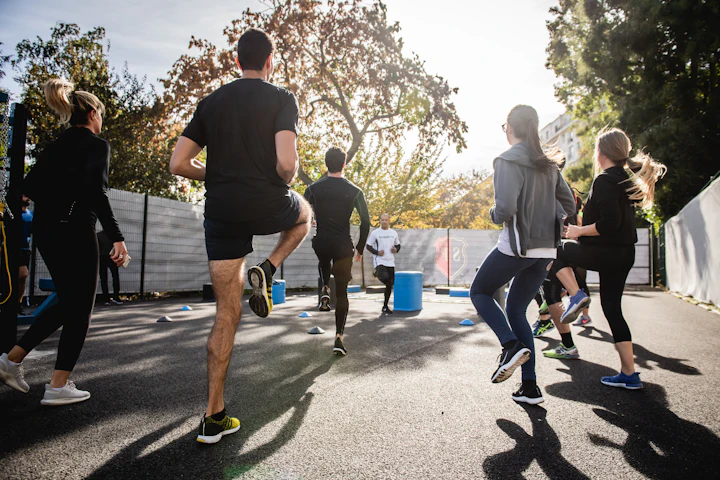
30-Minute Full-Body Home Workout (No Equipment)
A complete 30-minute bodyweight session with a warm-up, 40/20 interval circuit, beginner to advanced variations, and a cooldown. No equipment needed.
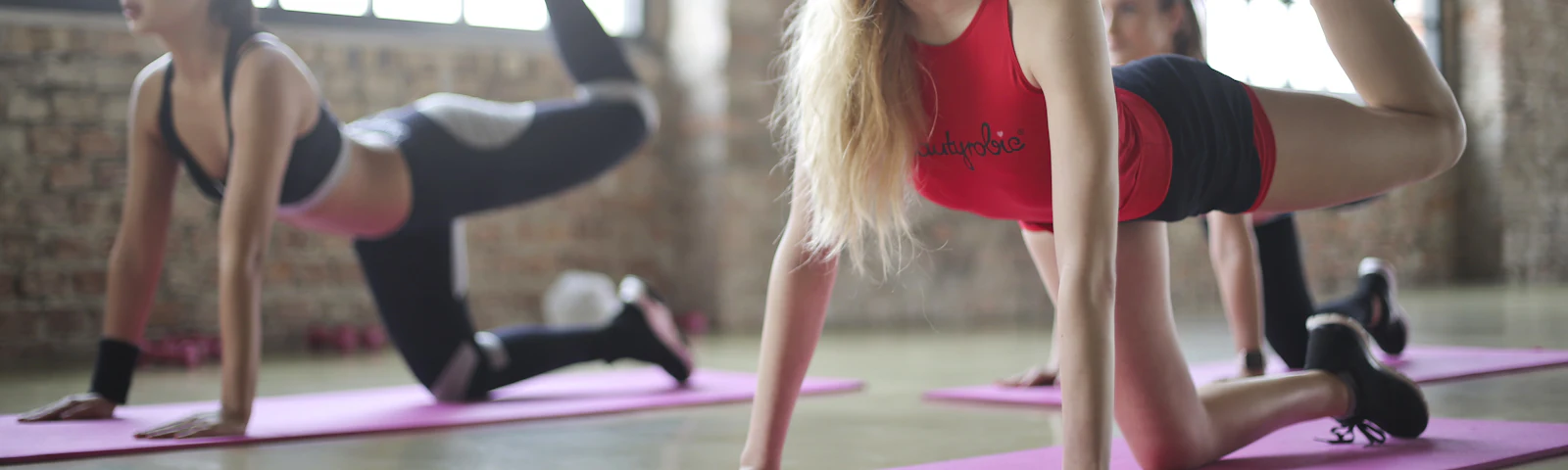
No gym, no dumbbells, no problem. This 30-minute full-body home workout uses only your bodyweight and a little floor space to train your legs, glutes, chest, back, shoulders, and core in one efficient session. It's built around simple intervals, so you always know when to work and when to rest, and every move has an easier and harder option so it fits your level today.
How This Full-Body Home Workout Is Structured
The workout has three parts. A short warm-up gets your joints moving and your heart rate up. The main circuit strings together six exercises that alternate between lower body, upper body, and core so one area rests while another works. Finally, a cooldown brings your breathing down and eases tight muscles.
You'll repeat the six-move circuit three times. With 40 seconds on and 20 seconds off, each round takes six minutes. Add a minute of rest between rounds and the circuit takes about 20 minutes.
Warm-Up (6 Minutes)
Do each move for one minute at an easy, comfortable pace. You should feel warmer and looser by the end, not tired.
- March in place. Lift your knees and swing your arms naturally.
- Arm circles. Small to large, forward then backward.
- Hip circles. Hands on hips, draw slow circles in both directions.
- Bodyweight good mornings. Hinge forward at the hips with a flat back, then stand tall.
- Easy squats. Go only as deep as feels comfortable.
- Inchworms. Walk your hands out to a plank and back, bending your knees as needed.
The Main Circuit
Perform each exercise for 40 seconds, rest 20 seconds, and move to the next. After exercise six, rest one minute and repeat for three total rounds.
1. Squat
Feet about shoulder-width apart, sit your hips back and down while keeping your chest up and heels planted. Push the floor away to stand. Form cue: knees track in line with your toes. Common mistake: rising onto your toes or letting knees collapse inward.
2. Push-up
Hands just wider than your shoulders, body straight from head to heels. Lower your chest toward the floor with elbows angled back, then press up. Form cue: squeeze your glutes to keep your hips in line. Common mistake: sagging hips or a half-range bob at the top.
3. Reverse Lunge
Step one foot back and lower until both knees bend about 90 degrees, then drive through the front heel to return. Alternate sides. Form cue: keep most of your weight in the front foot. Common mistake: leaning far forward or slamming the back knee down.
4. Superman Hold
Lie face down with arms overhead. Gently lift your arms, chest, and legs a few inches, hold for a breath or two, and lower. Repeat with control. Form cue: look at the floor to keep your neck neutral. Common mistake: cranking your head up or lifting too high.
5. Glute Bridge
Lie on your back with knees bent and feet flat. Press through your heels to lift your hips until they line up with your knees and shoulders, squeeze, and lower slowly. Form cue: tuck your ribs down so your glutes do the work. Common mistake: overarching your lower back at the top.
6. Plank Shoulder Tap
From a high plank, tap one hand to the opposite shoulder, return it, and switch. Widen your feet for more stability. Form cue: keep your hips as still as possible. Common mistake: rocking side to side.
How to Use the Interval Timer (40s On / 20s Off)
Counting seconds while you're out of breath is no fun. Our free interval timer keeps track for you so you can focus on form.
- Set work to 40 seconds. This is your effort window for each exercise.
- Set rest to 20 seconds. Use it to breathe and get into position for the next move.
- Set intervals to 18. That's six exercises times three rounds. Pause the timer for your one-minute break between rounds, or add those breaks if your timer supports it.
- Press start and follow the cues. Move to the next exercise each time the rest period ends.
Variations for Every Level
Pick the column that lets you keep good form for the full work interval. It's fine to mix levels, such as advanced squats with beginner push-ups.
| Exercise | Beginner | Intermediate | Advanced |
|---|---|---|---|
| Squat | Squat to a chair | Bodyweight squat | Jump squat or pause squat |
| Push-up | Incline push-up on a counter | Knee or full push-up | Decline or tempo push-up |
| Reverse Lunge | Hold a wall for balance | Alternating reverse lunge | Lunge with knee drive |
| Superman | Lift arms only | Arms and legs | Superman with swimming arms |
| Glute Bridge | Two-leg bridge | Bridge with 2-second hold | Single-leg bridge |
| Shoulder Tap | Knees-down taps | Wide-stance taps | Narrow-stance taps |
As you get fitter, progress one variable at a time: move up a variation, add a fourth round, or shorten rest to 15 seconds. If you enjoy these moves, our list of basic calisthenics exercises for beginners offers more options to swap in.
Cooldown (5 Minutes)
Walk around the room for a minute until your breathing settles, then hold each stretch for about 30 seconds per side. Breathe slowly and never force a stretch.
- Standing quad stretch, holding a wall for balance
- Seated hamstring stretch, reaching toward your toes
- Figure-four glute stretch on your back
- Child's pose for your back and shoulders
- Doorway or wall chest stretch
Safety and Getting Results
Consistency drives results. Two or three sessions of this full-body home workout each week, plus daily movement like walking, adds up quickly. The CDC recommends at least two days a week of muscle-strengthening activity for adults, and this routine checks that box.
If your goal is fat loss, pair your training with a sensible eating plan. Our guide on how to calculate a calorie deficit walks you through the basics, and you can learn how intervals compare with other cardio in HIIT vs steady-state cardio.
Frequently asked questions
Is a 30-minute workout enough?
Yes. A focused 30-minute session that works your whole body can build strength and fitness, especially when you do it consistently two to four times a week.
How many times a week should I do this workout?
Start with two or three sessions a week on non-consecutive days. As your fitness improves, you can add a fourth day or more rounds.
What does 40 seconds on, 20 seconds off mean?
You work hard on one exercise for 40 seconds, then rest for 20 seconds before moving to the next exercise. An interval timer handles the counting so you can focus on form.
Can I do this workout to lose weight?
It can help as part of a plan that includes a modest calorie deficit, enough protein, and daily movement. Exercise alone is usually less effective for weight loss than combining it with nutrition changes.
Disclaimer: This article is for general information only and isn't a substitute for advice from your doctor, dermatologist, podiatrist or a registered dietitian. Check with a professional before starting a new diet, supplement, skin treatment or exercise program, especially if you have a health condition.
Keep reading
More Workouts
Beginner Strength Training Guide: Your First 8 Weeks
Learn the five movement patterns, how sets and reps work, and follow a simple 8-week, 3-day full-body plan to start lifting with confidence.
HIIT vs Steady-State Cardio for Fat Loss: Which Is Better?
Short and intense or long and steady? Compare HIIT and steady-state cardio, try a sample session of each, and learn how to mix both for fat loss.

The Beginner's Guide to Starting a Running Routine
An 8-week run/walk plan, a simple warm-up, easy pacing with the talk test, and practical tips to stay injury-free and motivated as a new runner.