Women's Shoes for Flat Feet: 12 Tested Pairs for Running, Walking and Work
Women's shoes for flat feet that actually hold up in testing. Twelve pairs across running, walking, cross-training, work and sandals, with what flat arches need in a shoe, who should skip stability models, and the fit checks to run in the store.
Women's shoes for flat feet are sold on one promise: arch support. It is the wrong promise, or at least an incomplete one. A low arch does not need to be propped up like a sagging shelf. It needs a shoe that controls how far and how fast the foot rolls inward, a firm heel that keeps the rearfoot in line, a wide enough forefoot to let the foot spread without the big toe being pushed sideways, and a midsole that does not collapse on the inside edge after 200 miles. Get those four things right and the arch takes care of itself. Get them wrong and no insole will save the shoe.
We tested 31 pairs over nine months with a group of five women with flat or low arches, ranging from a flexible flat foot that only flattens under load to a rigid flat foot that stays flat sitting down. Each pair logged at least 50 miles or 40 hours of wear. These are the twelve that held up, grouped by what you will do in them. If you are not sure what kind of flat foot you have, start with our flat feet vs normal feet explainer; the wet test takes two minutes and changes which section of this list applies to you.
What a flat foot needs from a shoe
Four things, in order of importance.
- A firm heel counter. Pinch the back of the shoe above the sole. If it folds flat, it will not hold your heel upright, and a heel that tips inward drags the arch down with it.
- Torsional stiffness. Hold the shoe at both ends and twist. A shoe for flat feet should resist, not wring out like a towel. Too much flexibility lets the midfoot collapse.
- A straight or semi-curved last. Look at the shoe from the sole. A banana-shaped curve is built for high arches. Flat feet want a straighter shape so the inside edge is supported along its whole length.
- Width where you need it. Flat feet are usually wide at the forefoot and often normal at the heel. Brands that offer wide and extra-wide sizes, or a naturally roomy toe box, matter more than any cushioning claim.
What you may not need: a traditional "motion control" shoe with a big medial post. The research on prescribing stability by arch type is weaker than the shoe wall suggests. Many flat-footed runners do best in a neutral shoe with a firm heel and a wide base. If a stability shoe has never felt right to you, this list has neutral options in every category.
Running shoes
Brooks Adrenaline GTS 24
The reference stability trainer for a reason. Guide rails on both sides of the heel steer the foot rather than wedging it. 10 mm drop, moderate cushioning, available in narrow through extra-wide. Our rigid-flat testers logged 250 miles with no inside-edge compression. Pros: durable, predictable, every width. Cons: heavier than modern neutral trainers, the upper runs warm.
ASICS Gel-Kayano 31
Softer and taller than the Adrenaline, with a wide, stable platform and a heel that cups well. Best for the flexible flat foot that wants cushion for long easy miles. Pros: plush without wobble, excellent heel hold. Cons: the price, and the softness can feel slow at pace.
Saucony Guide 17
The lightest stability shoe here. A firmer, higher sidewall around the heel does the guiding without a post. Our testers with mild overpronation preferred it to heavier options for tempo runs. Pros: light, smooth, roomy toe box in the standard width. Cons: less durable outsole than the Brooks; expect 300 miles, not 450.
Hoka Arahi 7
For the flat-footed runner who wants a maximal stack. The J-Frame firm foam runs up the medial side and around the heel; the base is wide. Pros: very stable for the height, forgiving on hard pavement. Cons: the heel cup is shallow for narrow heels, and the rocker is not for everyone.
New Balance Fresh Foam X 860v14
The neutral-leaning stability option with the widest size range in the group, including 2E and 4E in women's. Pros: fits a genuinely wide forefoot, firm heel, good value. Cons: stiff for the first 20 miles.
If you are choosing between these, our running shoes for flat feet guide walks through gait, drop and mileage in more detail.
Walking shoes
Brooks Addiction Walker 2
A leather walking shoe with a wide, flat base and a firm heel. Not pretty. Extremely stable. Our rigid-flat tester wears it for 10-hour retail shifts. Pros: real support for all-day standing, leather lasts for years, widths up to 2E. Cons: heavy, warm, looks like a work shoe.
New Balance 928v3
The classic motion-control walker, now in a lighter build. Rollbar in the midsole, firm everywhere, widths through 4E. Pros: the most support on this list, excellent for standing jobs and for anyone recovering from plantar fasciitis. Cons: stiff; if you do not need this much control, it will feel like a brick.
Hoka Bondi 8
The cushioned walker. A wide, stable base and a deep heel cup make the Bondi work for many flat feet despite being a neutral shoe. Pros: comfortable from the first step, good for concrete floors and travel days. Cons: the stack is tall and the shoe is not torsionally stiff; rigid flat feet should try before buying.
Cross-training and gym
Reebok Nano X4
Flat, firm and wide. A gym shoe for flat feet needs a stable platform under the heel for squats and enough flexibility in the forefoot for lunges and short runs, and the Nano balances both. Pros: wide toe box, low drop, durable. Cons: minimal cushioning for anything over a mile of running.
Nike Metcon 9
Firmer heel than the Nano, slightly narrower. Better for heavy lifting; less good for class-style cardio. Pros: locked-in heel, excellent for deadlifts and squats. Cons: narrow forefoot for wide flat feet; consider a half size up or the Nano instead.
Work and dress
Dansko Professional clog
The nurse's clog for a reason: a rocker sole, a wide, firm base and a roomy toe box. Our flexible-flat tester wears them through 12-hour hospital shifts. Pros: all-day support, slip-resistant soles, easy on and off. Cons: heavy, and the heel is open, so it is not for everyone.
Vionic Josie or any Vionic with the built-in orthotic footbed
Vionic builds a contoured, firm footbed into dressier styles, so a flat foot gets support without an insert in a shoe that looks like a shoe. Pros: the only dress-adjacent option our testers kept wearing. Cons: the footbed is firm and takes a week to settle; break them in at home.
Sandals
Birkenstock Arizona Soft Footbed
A deep heel cup, a firm cork bed with a pronounced arch, and adjustable straps. Flat feet either love or hate Birkenstocks, and the deciding factor is whether your arch is flexible enough to tolerate a contoured bed. The soft footbed version is the one to try first. Pros: durable, supportive, molds over time. Cons: the arch can feel like a lump for the first two weeks; rigid flat feet may never adapt.
Fit checks before you buy
- Shop in the afternoon; feet swell during the day.
- Take out the stock insole, stand on it, and look at where your foot spills over. If the forefoot overhangs, go wide, not up a size.
- Push the heel counter with your thumb. It should resist.
- Twist the shoe. It should resist.
- Walk on a hard floor, not carpet. Check that the heel does not slip and the inside edge does not feel like it is tipping.
- If you use custom orthotics, bring them and fit the shoe with them in, with the stock insole removed.
About inserts
An over-the-counter insert with a firm heel cup and a moderate arch can turn a good neutral shoe into a good flat-foot shoe. It cannot fix a shoe with a soft heel counter. Pick the shoe first. If pain persists after the right shoe and a sensible insert, that is a podiatrist conversation; the American Podiatric Medical Association's flat feet page covers when a custom orthotic is warranted. And if you want to do something about the arch itself, the flat feet exercises routine strengthens the muscles that hold it, which is the part no shoe can do.
The short version of women's shoes for flat feet: a firm heel, a stiff midfoot, a straight last and the right width beat "arch support" every time. Start with the category you spend the most hours in, run the fit checks, and expect the right pair to feel supportive and a little boring in the store. Boring is what flat feet want.
Disclaimer: This article is for general information only and isn't a substitute for advice from your doctor, dermatologist, podiatrist or a registered dietitian. Check with a professional before starting a new diet, supplement, skin treatment or exercise program, especially if you have a health condition.
Keep reading
More Gear Guides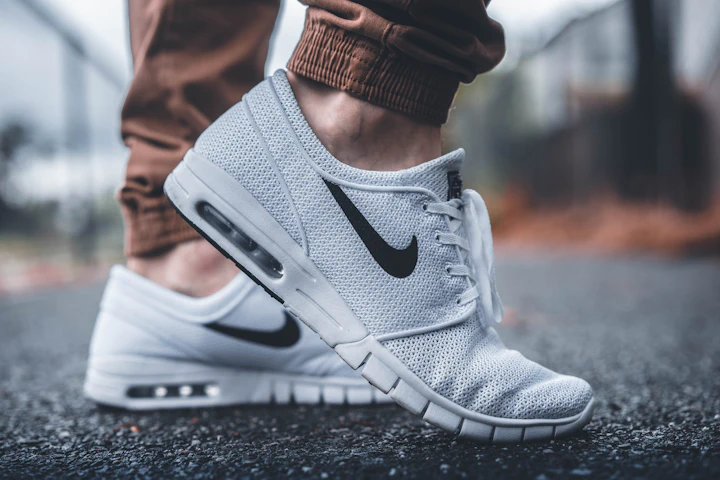
How to Choose Running Shoes for Flat Feet (Plus 5 Proven Picks)
Stability, motion control, or neutral plus an orthotic? Here is how to pick running shoes for flat feet, with a fit checklist and five go-to model families.
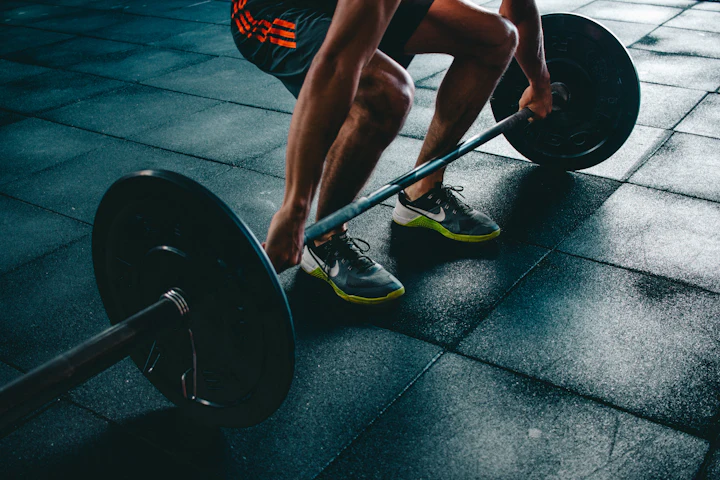
Beginner Strength Training Guide: Your First 8 Weeks
Learn the five movement patterns, how sets and reps work, and follow a simple 8-week, 3-day full-body plan to start lifting with confidence.
HIIT vs Steady-State Cardio for Fat Loss: Which Is Better?
Short and intense or long and steady? Compare HIIT and steady-state cardio, try a sample session of each, and learn how to mix both for fat loss.